Planning your first trip to Japan can be exciting and surprisingly demanding. There are more places to see than you can reasonably fit into one holiday, and the choices you make before booking can affect how the whole journey feels.
The most useful mistakes to avoid are often practical ones: too many hotel changes, a room chosen without checking its location, or a special dinner booked on a day that leaves no time to enjoy it. Here are ten common Japan trip planning mistakes and ways to build a more comfortable journey together.
These are planning pitfalls to check for, not a ranking based on a survey. Use the list to review your own itinerary before committing to bookings.
1. Trying to fit every dream destination into one trip
You begin with Tokyo and Kyoto, then add mountains, islands, a distant city and several day trips. Each addition looks manageable by itself. Together, they can turn the holiday into a series of departures.
A typical planning trap: adding a one-night stop because the train journey looks short, without allowing for checkout, packing and reaching the next hotel.
What to do instead: decide which experiences matter most to both of you and choose a small number of bases. If you add a region, identify what it replaces. Our 14-day Japan itinerary shows one way to balance cities, a hot-spring stay and time to explore.
2. Treating a transfer day as a full sightseeing day
A train timetable gives you the time on board. It does not include getting to the station, finding your platform, handling luggage, reaching the hotel or checking in.
A typical planning trap: arriving in a new city and booking a prepaid experience soon afterwards, leaving little room for an unfamiliar station or a slower transfer.
What to do instead: calculate the journey from hotel to hotel and keep the first activity flexible. For an important dinner or anniversary experience, choose an evening that does not depend on a tight connection.
3. Choosing a hotel by price and photographs alone
An appealing room can still be inconvenient for your route. A hotel near a station may be near the wrong station, an awkward exit or a long walk with your bags.
A typical planning trap: saving on the room, then spending extra time and money on transport every day.
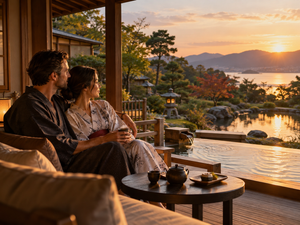
What to do instead: compare the complete stay: transport links, room size, beds, nearby meals, accessibility and cancellation terms. In a ryokan, confirm meal times and bathing arrangements. If you want to bathe together, check for a private option rather than assuming the public bath will suit you.
4. Buying a rail pass before deciding the route
A pass can look like an easy answer to an unfamiliar train network. But you cannot judge its value without knowing where you will travel and which services you need.
A typical planning trap: choosing a fourteen-day pass simply because the holiday lasts two weeks.
What to do instead: list your actual journeys and compare current individual fares with pass prices, coverage and supplements. Include local and airport transport separately where necessary. Do the calculation again if your route changes.
Check official JAPAN RAIL PASS information before purchasing; advice based on a different route or older prices may not apply to your trip.
5. Leaving luggage decisions until the travel day
A suitcase affects how easy it is to move between stations, buses and hotels. The bag you can check onto a flight may also need a particular arrangement on a train.
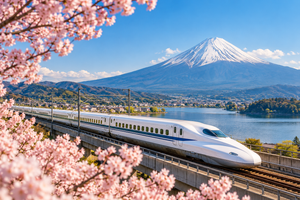
What to do instead: measure your luggage and check the operator’s rules when booking. On the Tokaido Shinkansen, ordinary baggage with total length, width and height exceeding 160 cm and up to 250 cm requires a reserved seat with an oversized baggage area. See JR Central’s current luggage information for the details and exceptions.
If you plan to forward bags between hotels, confirm that both properties can handle the service, the dispatch deadline and expected delivery. Carry what you need for the intervening nights separately.
6. Missing the booking window for an important experience
Not every attraction or restaurant needs advance booking. The mistake is assuming that the particular experience you most want will be available whenever you decide.
A typical planning trap: fixing the rest of the itinerary around an unconfirmed activity, then discovering it is unavailable.
What to do instead: identify your few priorities, check their official booking processes and record reservation release dates where relevant. If something is central to the trip, check it before making surrounding non-refundable commitments. Keep an alternative that you would still enjoy.
Do not reserve every hour just to feel prepared. Protect the important experiences and leave ordinary walks, casual meals and flexible time open.
7. Expecting every meal to require a famous restaurant
International rankings and social-media lists can make it feel as though you must book the most talked-about places to eat well. That can narrow your choices and use a large share of your budget.
What to do instead: combine the special meal you care about with restaurants that fit your tastes, location and spending limit. Everyday neighbourhood dining can be a rewarding part of discovering Japan.
Our Planning service can help you choose local restaurants and experiences, including places with limited English information. Recommendations are about finding a good fit; they do not guarantee that every local option is cheaper than every alternative.
If Japanese-language communication is a concern, Travel Support can help with communication with local restaurants during your trip. Discuss your needs and the scope of support in advance. Confirm any important dietary request directly with the venue before relying on an arrangement.
8. Using a budget with unclear inclusions
A daily spending figure may look reassuring, but it is hard to use if you do not know whether it includes accommodation, long-distance trains or activities. Couples can also accidentally mix room prices with per-person prices.
What to do instead: separate accommodation, food, transport, experiences and practical extras. Add international flights and optional services separately. Check meal inclusions so that you do not count ryokan dinners twice.
Our two-week Japan trip cost guide gives transparent example budgets for two people. Replace the assumptions with actual quotes for your dates, and refresh currency conversions as needed.
9. Planning for perfect weather and unlimited energy
A day can look gentle on a map and still involve long walks, stairs, heat or time standing in queues. Seasonal photographs can also create expectations that the weather or scenery may not meet.
A typical planning trap: building the highlight of the trip around a guaranteed mountain view, then having no enjoyable alternative if visibility is poor.
What to do instead: choose one main experience each day, leave space for seated breaks and keep an indoor option. Adjust walking distances to both travellers. A flexible afternoon lets you respond to tiredness without feeling that the whole plan has failed.
Choose a destination that you would enjoy beyond a single photograph. Our guide to romantic places beyond Tokyo and Kyoto offers ideas for different interests and travel styles.
10. Preparing the itinerary without preparing to use it
You may have made excellent bookings, but scattered emails and screenshots can still make the first arrival stressful. A plan should be easy to follow when you are tired or do not have a reliable connection.
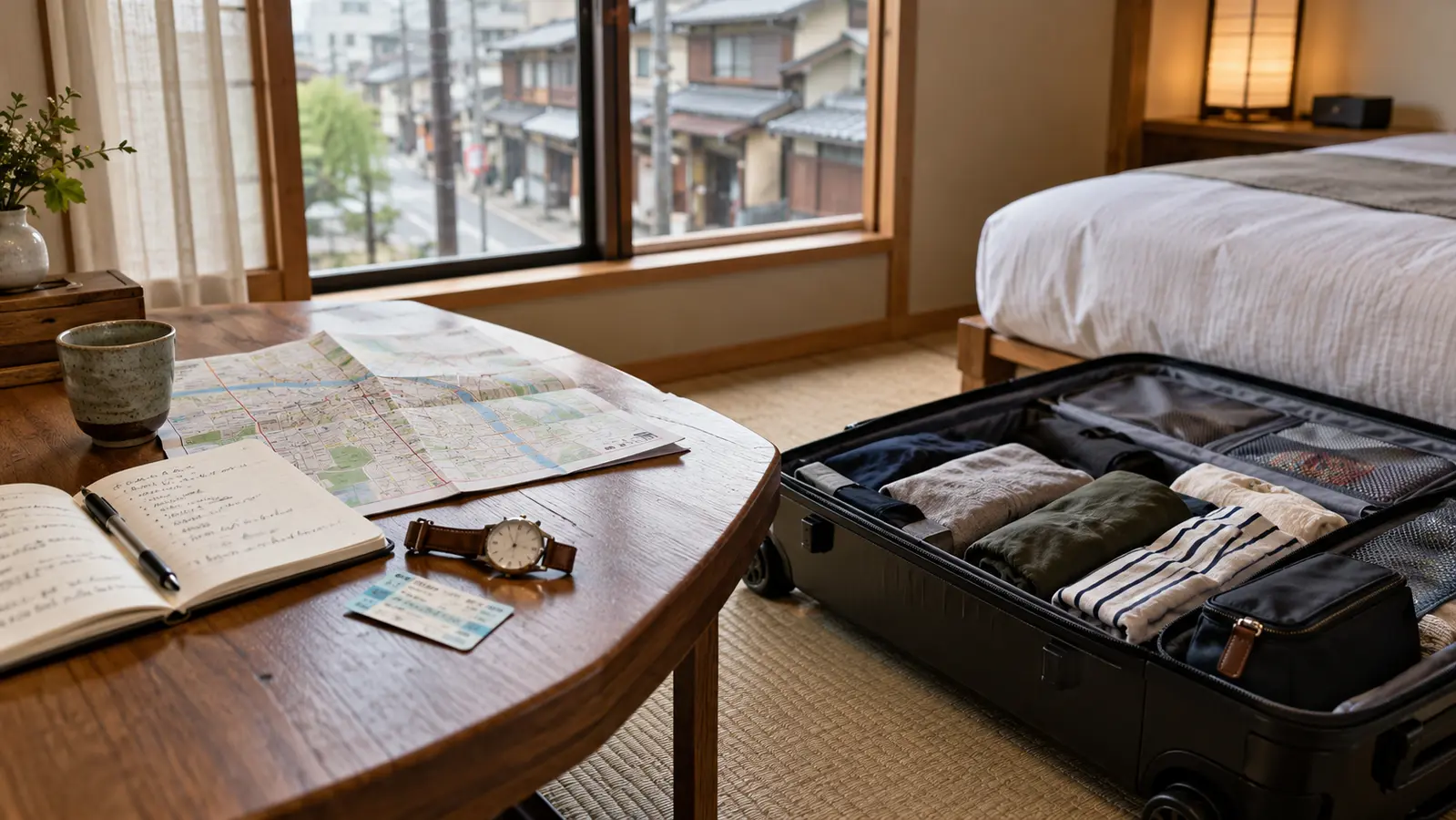
What to do instead: keep one shared itinerary with booking details, addresses, arrival instructions and essential contacts. Save key information offline and keep accommodation addresses in Japanese as well as English.
Check your mobile-data setup, device compatibility, payment options and the route to your first hotel before departure. Prepare a simple first evening and confirm what to do if your arrival is delayed.
If having someone to turn to during the journey would make you more comfortable, review our Travel Support service and discuss the assistance you need before travelling.
A short review before you book
Route: Does each destination deserve the time it takes to reach it?
Transfers: Have you allowed time from one hotel to the next?
Accommodation: Do the room, location and conditions fit both of you?
Reservations: Are your important experiences confirmed or clearly marked as pending?
Practical details: Have you planned luggage, arrival, connectivity and payment?
Personal priorities: Is there enough time for what you actually want to enjoy together?
Frequently asked questions
What is the most important thing to check first?
Start with the route and pace. Hotel bookings, train choices and daily plans become easier to assess once you know where you will sleep and how often you will move.
Is a detailed itinerary a mistake?
No. Details are useful when they clarify transfers and bookings. Keep a distinction between fixed arrangements and optional ideas so that the plan remains adaptable.
Can we fix an itinerary after booking hotels?
Review cancellation terms before changing anything. You may be able to improve the daily pace, remove an optional day trip or simplify transfers without changing every stay. Compare the benefit with any change fees.
How can Smart Japan Trip help?
Our Planning service can help shape a route around your interests, budget and pace. Travel Support provides personal assistance during the journey within the agreed service scope. Discuss what is included and what you will arrange yourself before deciding.
Build confidence, then leave room to enjoy the trip
You do not need to eliminate every uncertainty to have a wonderful first trip to Japan. Make the big decisions carefully, protect the experiences that matter and give yourselves room to respond to the day.
For the planning sequence, read our step-by-step first-trip planning guide. If you want help putting the decisions together, explore Planning or start with a free consultation.
Your Japan story starts here.
Tell us about your dates, interests and the kind of trip you want. Start with a free consultation to discuss how we can help.
Planning guidance by Smart Japan Trip. For additional official preparation advice, see JNTO’s travel-planning tips. Confirm transport, accommodation and reservation conditions for your dates. The featured image is illustrative.