


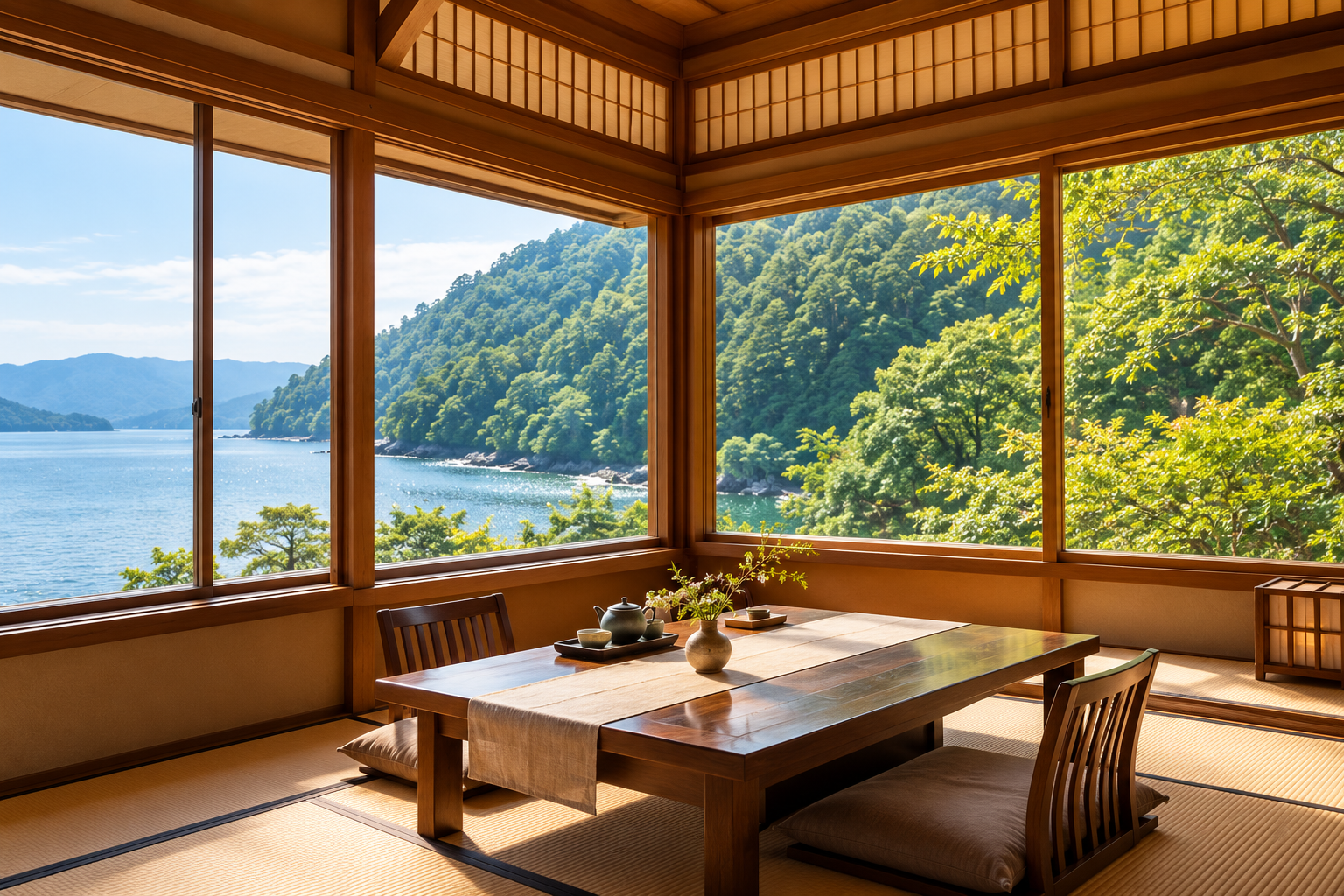
A good Japan itinerary for couples over 50 starts with your interests and preferred pace, rather than a list of places everyone is supposed to see. Age alone says little about how you travel. What matters is how much walking you enjoy, how often you want to change hotels, and where you would like to spend your time and budget.
Our suggested starting point: spend 14 days across three bases—Tokyo, a two-night ryokan stay in Hakone, and Kyoto—with an easy arrival day and an uncommitted half-day in each city. This is an illustrative planning framework, not a fixed package or a guarantee that the route suits every couple.
What should a comfortable Japan trip include?
Before choosing destinations, agree on five practical preferences: your comfortable walking time, bed type, room size, luggage arrangements, and number of hotel changes. A couple who enjoys long hikes will need a different plan from a couple who prefers gardens, good lunches and short outings. Neither needs a less interesting holiday.
Choose one main experience per day and place optional stops nearby. Leave room for a leisurely breakfast, a change in the weather or a neighbourhood you unexpectedly love. A plan is useful when it makes these choices easier.
A 14-day route with just two hotel changes
- Days 1–5: Tokyo, five nights. Keep your arrival afternoon simple. Use the following days for different interests: historic neighbourhoods, gardens, food or design. Group outings geographically and keep one half-day free.
- Days 6–7: Hakone, two nights. Travel with enough time to settle into your ryokan before dinner. Choose a single outing the next day, with a weather alternative, instead of treating the whole stay as a transport circuit.
- Days 8–14: Kyoto, six nights. Explore one area at a time. Consider one optional day trip only if you both want it. Day 14 is your departure day, so check the journey to your actual airport before booking.
This example totals 13 nights and 14 days, assuming arrival on day 1 and departure on day 14. It suits a Tokyo arrival and Kansai-area departure better than a return flight from Tokyo. If your flight leaves Tokyo, plan your return there before the final night or redesign the route around the flight times. Do not add that transfer as an afterthought.
For a more detailed city-by-city option, see our 14-day Japan itinerary for first-time visitors. The difference here is the decision-making framework: fewer moves, practical hotel checks and a pace you can adapt.
Check the hotel details that photographs do not show
A beautiful room does not tell you how it will feel after a full day outside. Before paying, check the exact room category, bed configuration, usable space with suitcases open, lift access and the route from the station exit. “Near the station” can mean very different journeys depending on the exit and your luggage.
For a ryokan, ask whether your chosen room has Western beds or futon bedding, whether meals are included and when they are served. If stairs, bathing facilities or getting up from floor-level seating matter to you, ask the property specific questions before booking. A private bath does not automatically mean step-free access.
The Japan Tourism Agency’s ryokan guide explains common room, bathing and meal arrangements. Confirm the details directly with your chosen accommodation.
Make transfer days feel like part of the holiday
Compare the whole journey, not only the fast-train segment: hotel checkout, station access, the train, connections and the final walk or taxi. Avoid booking an important dinner immediately after a complicated transfer. A reserved seat, a short taxi ride or a better-located hotel can be more useful than another sightseeing stop.
Luggage forwarding can reduce what you carry between stays. The official JNTO luggage and storage guide explains available services. Ask the carrier and both hotels about acceptance, delivery dates and restrictions, and keep what you need for the intervening nights with you.
Spend on comfort where it changes the day
Choose two or three priorities before comparing prices: perhaps a memorable ryokan, a spacious city room or an excellent meal. Balance those with simpler stays and local restaurants that match your tastes. A higher price does not automatically create a more personal experience.
Our two-week Japan budget guide gives illustrative budgets with clear inclusions. Use live quotes for your dates before committing. Planning fees, flights and third-party bookings should be checked separately rather than assumed to be included.
When is personalized planning worth considering?
It can be useful when you have limited research time, different preferences as a couple, fixed celebration dates or several hotel and transport decisions that need to fit together. The value is in the fit: a route that respects your pace, clear trade-offs and recommendations chosen around your priorities.
Smart Japan Trip’s Planning service helps shape that personal itinerary. Our Travel Support service offers separate help with communication and practical questions during the stated support hours. Review the current scope and availability of each service. We do not book or purchase third-party travel services on your behalf.
If you enjoy researching and your route is straightforward, planning independently may suit you well. Our comparison of DIY planning, AI tools and a Japan travel planner can help you decide.
Frequently asked questions
Is Japan suitable for an independent trip in your 50s or 60s?
It can be, but suitability depends on your interests and practical needs rather than age alone. Check walking distances, transfers, accommodation access and the support you want. A personalised route can include active days and quieter days in the balance you prefer.
Should we visit both Kyoto and Osaka?
You do not need an overnight stay in both. Choose the base that best matches your interests and departure plans. Add a day trip only when its travel time leaves enough room for the experience you want.
Do we need a private guide every day?
Not necessarily. You might prefer independent time with a clear plan and a guide for a particular interest. Compare what each service includes; itinerary planning and remote support are not the same as an accompanying guide.
Can we travel without speaking Japanese?
Plan ahead for the situations that matter to you, such as dietary requests, local dining and changes to transport. Translation tools can help, and you can review our Travel Support options if you would like human help during your trip.
Plan a journey around the two of you
Bring your dates, your main interests and the things you would like to make easier. In a free consultation, we can discuss your priorities and whether our planning service is a suitable fit.
See the planning approach in practice: explore our sample Japan itinerary and service comparison, then discuss how the route could be adapted to your dates, budget and pace.






Comments
List of comments (1)
[…] meno cambi di hotel e più tempo a ogni tappa? La guida per coppie over 50 (in inglese) spiega come adattare il percorso a comfort, dettagli degli hotel e ritmo […]