Your first trip to Japan should feel exciting—not like a puzzle you have to solve before you can enjoy it. With two weeks, you can experience Tokyo’s energy, unwind in Hakone, explore Kyoto’s historic neighbourhoods and finish with Osaka’s food scene, without changing hotels every other night.
This 14-day Japan itinerary for first-time visitors is designed especially for couples who want a thoughtful balance of culture, food and time together. It is a starting point, not a checklist: the right pace depends on your interests, arrival time, season and how much walking you enjoy.
Our guiding idea: choose one main experience each day, group nearby sights together, and leave room for a long lunch, an unexpected discovery or an afternoon with no plans.
Your 14-day Japan itinerary at a glance
This plan counts Day 1 as your arrival day in Japan and Day 14 as your departure day: 14 days and 13 nights on the ground. International flight days may add to the time you need away from home. The route assumes you arrive in Tokyo and depart from the Osaka area.
| Days | Base | Focus |
|---|---|---|
| 1–4 | Tokyo · 4 nights | Arrival, Asakusa, neighbourhood walks and a flexible day |
| 5–6 | Hakone · 2 nights | Ryokan time, hot springs and a weather-dependent outing |
| 7–11 | Kyoto · 5 nights | Higashiyama, Arashiyama, a Nara day trip and a flexible day |
| 12–13 | Osaka · 2 nights | Food, a change of atmosphere and a relaxed final day |
| 14 | Departure | Leave a generous airport transfer buffer |
There are only three hotel changes. That matters: packing, checking out and finding the next hotel all take time that does not appear on a sightseeing map. If you prefer even fewer moves, keep Kyoto as your final base and visit Osaka for a day instead. Check your airport transfer carefully before choosing this variation.
Days 1–4: Tokyo—settle in before you speed up
Day 1: Arrive, check in and keep things simple
Make reaching your hotel the main task of the day. Depending on your flight and check-in time, have a short walk nearby, eat a simple dinner and get some rest. A late arrival is not the moment for a cross-city restaurant reservation.
For a couple’s first evening, a neighbourhood meal is often more enjoyable than trying to reach a famous viewpoint while exhausted. Keep any booking flexible until you know how much energy you have.
Day 2: Asakusa and an older side of Tokyo
Start with Asakusa and the area around Senso-ji. Explore at your own pace, then stop for lunch rather than immediately moving to the other side of the city. If you still feel energetic, add a riverside walk or another nearby stop.
This is a good day to adjust to local transport and the rhythm of the city. Plan a seated break: an itinerary that looks easy on paper can still involve a lot of standing and walking.
Day 3: Meiji Jingu, Omotesando and Shibuya
Spend the day around Meiji Jingu, Omotesando and Shibuya, choosing the places that genuinely interest you. You might combine a shrine visit with a leisurely lunch and some browsing, rather than trying to see every shopping street.
If a ticketed observation deck is a priority, check its official booking process before your trip. Treat it as your main timed activity and give yourself space around it. Otherwise, enjoy the neighbourhood without adding another reservation.
Day 4: A Tokyo day that feels like yours
Keep this day open for what you have not yet had time to enjoy: a museum, a garden, a cooking experience, a favourite shop or a slower neighbourhood walk. Choose one main activity rather than four unrelated attractions.
Use the evening to prepare for Hakone. Confirm how to reach your accommodation, its check-in window and the latest arrival time if dinner is included. Those details matter more than squeezing in one extra sight.
Days 5–6: Hakone—make room for the stay itself
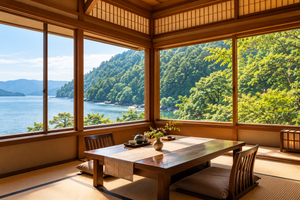
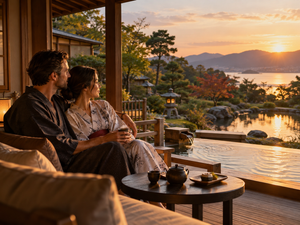
Day 5: Travel to Hakone and enjoy your ryokan
Travel from Tokyo to Hakone and keep the afternoon light. The Odakyu Romancecar provides a direct option from Shinjuku to Hakone-Yumoto, with reserved seating. Allow extra time beyond the train journey to reach your ryokan: Hakone-Yumoto station may not be close to your accommodation.
Check the official Romancecar ticket information before booking. A limited-express ticket is required in addition to the applicable regular fare or pass.
If your stay includes dinner, plan around the ryokan’s meal times. The point of staying here is not only to sleep in a different place: it is to slow down, enjoy the setting and give the evening time to unfold.
Day 6: One Hakone outing, not every possible stop
Choose an outing that suits the weather and your location. You could focus on an art museum, spend time around Lake Ashi or consider a ropeway excursion when services and conditions allow. Keep an indoor alternative and be prepared to simplify the day.
Do not build your expectations around a guaranteed view of Mount Fuji. Visibility depends on the weather. A well-chosen stay and an enjoyable day should still make Hakone worthwhile if the mountain does not appear.
Compare your planned journeys with the official Hakone Freepass coverage and conditions. Because this itinerary continues towards Kyoto rather than returning to Tokyo, do not automatically choose a pass intended for a Shinjuku round trip.
Choosing a ryokan as a couple
Decide what matters before comparing properties: a private bath, meal arrangements, beds rather than futons, elevator access, or a location with fewer transfers. Confirm these details with the accommodation rather than assuming every ryokan offers the same experience.
If bathing together is important, look specifically for a private bathing option and check whether it is in your room or separately reservable. Dietary needs, tattoo policies and bathing arrangements should also be checked directly before booking.
Days 7–11: Kyoto—explore in clusters, not zigzags
Day 7: Hakone to Kyoto, with a quiet first evening
Travel from your Hakone accommodation to Odawara, then continue towards Kyoto on the Tokaido Shinkansen. Select a service that actually stops at Odawara and confirm whether your journey requires a connection.
Treat this as a transfer day, not a full sightseeing day. Once you have checked in, have a short walk and dinner near your hotel. Avoid a prepaid afternoon experience that leaves no room for a missed connection or a slower check-in.
Day 8: Higashiyama and Kyoto’s historic streets
Focus on eastern Kyoto: choose Kiyomizu-dera and the surrounding streets as your main outing, then explore nearby areas at a comfortable pace. Rather than adding a temple across the city, use the afternoon for a café, a small shop or an unhurried meal.
These streets can be busy. An earlier start may help, but it is not a promise of an empty scene. Respect signs, private property and photography restrictions. Do not interrupt or pursue people working in the traditional entertainment districts.
Day 9: Arashiyama, with time beyond the photograph
Give Arashiyama its own day. Visit the places you most want to see, then leave time for the river area, lunch and a slower walk. The bamboo grove can be part of the visit without becoming the entire reason for going.
Choose a route appropriate to your mobility and the weather. If you want to include a ticketed train or another timed experience, check its official timetable and booking requirements first. Do not build a tightly timed chain of activities around it.
Day 10: A day trip to Nara
Use this day for Nara, returning to your Kyoto hotel in the evening. Focus on the area around Nara Park and Todai-ji, with lunch and a rest between visits. You do not need to combine Nara with another destination to make the day worthwhile.
For a first trip, Kyoto, Nara and Osaka offer contrasting experiences without the need to keep moving to new regions. The Japan National Tourism Organization’s Kansai itinerary is a useful introduction to the three destinations.
Day 11: Your own Kyoto day
Choose what would make the trip feel personal: a tea experience, a garden, a craft activity or a neighbourhood you have not explored. A visit to Fushimi Inari can be an option, but you do not need to complete a long uphill walk to enjoy a shorter visit.
This flexible day is also your buffer for rain, tiredness or an activity you moved earlier in the week. Keep enough space to enjoy the evening without rushing.
If you are celebrating an anniversary or honeymoon, make this evening a little more personal. A private dining room, a thoughtful note or a small surprise for your partner can turn a lovely dinner into a lasting memory. Choose something that suits the two of you, and discuss any arrangements with the venue in advance. Leaving room in your itinerary makes these moments easier to enjoy. For practical ideas and arrangements, read our Japan anniversary trip guide.
Days 12–14: Osaka and a calm finish
Day 12: Move to Osaka and enjoy the evening
Transfer to Osaka, leave your bags at the hotel if arrangements allow, and keep the afternoon straightforward. In the evening, explore an area such as Dotonbori and choose a meal that appeals to you. Food should be part of the pleasure of the trip, not another list to complete.
If crowds or noise are tiring, enjoy the lively streets briefly and choose a quieter restaurant for dinner. An enjoyable Osaka evening does not require staying out late.
Day 13: One final experience—and time to pack
Pick a final activity that suits your energy: a museum, some shopping, a neighbourhood walk or a long lunch. Keep the rest of the day open for packing and checking your flight arrangements.
If a theme park is your priority, replace this day with it rather than adding it on top. Check tickets and entry conditions directly with the operator and expect a different pace from the rest of this itinerary.
Day 14: Departure
Confirm the correct airport, terminal, transfer route and airline check-in requirements. Avoid a major attraction before your flight. A last breakfast and a calm journey to the airport are a better finish than a stressful race against the clock.
Practical decisions that make this itinerary easier
Choose hotels for the journey, not only the room
In Tokyo, a hotel with convenient airport access and a station you can navigate comfortably can be more useful than a fashionable address. In Kyoto, balance the atmosphere you want with access to transport and restaurants. In Osaka, consider your departure route as well as your evening plans.
Check room size, bed configuration and access from the station. “Near a station” does not necessarily mean an easy walk with luggage: stairs, large station complexes and the correct exit can all change the experience.
Plan your luggage before your train tickets
Consider asking your hotels about forwarding your main suitcase from Tokyo to Kyoto, travelling to Hakone with a smaller bag. Confirm that both hotels can handle the delivery, the dispatch deadline and the expected arrival date; do not assume delivery will be overnight.
For the Tokaido Shinkansen, ordinary suitcases with combined length, width and height of more than 160 cm and up to 250 cm require a reserved seat with an oversized baggage area. Bags exceeding 250 cm cannot be brought on board. Check JR Central’s current luggage rules before purchasing your tickets.
Do not buy a rail pass automatically
List your actual train journeys and compare individual tickets with any pass you are considering. A pass is a tool, not a requirement for visiting Japan. Its value depends on your route, eligible services and current prices.
For this itinerary, make the Tokyo–Hakone and Hakone–Kyoto plans first, then check the local journeys and airport transfers. Avoid purchasing a nationwide pass simply because your trip lasts two weeks.
Book the experiences that matter most
Start with flights, accommodation and any experience that is central to the trip. A particular ryokan room, special dinner or ticketed attraction may shape the rest of your schedule. Follow the booking rules published by each provider rather than relying on a general “book everything three months ahead” rule.
Leave ordinary walks, casual meals and flexible afternoons open. Reservations should protect the experiences you care about—not turn every day into a timetable you cannot change.
Adapt the route to your season and energy
In hot weather, make room for indoor breaks and reduce long midday walks. In wet weather, keep a museum or another indoor option available. Seasonal scenery is a bonus, not something this itinerary can promise for a particular date.
If stairs, hills or long walks are difficult, shorten the sightseeing days and investigate accessible transport before booking. “Relaxed” is personal: the same day can feel easy for one couple and exhausting for another.
What if your flights are different?
Flying in and out of Tokyo: move the final part of the itinerary back to Tokyo and allow an overnight buffer there before your international flight. Do not simply add a long return journey to an already full departure day.
Arriving in Osaka and departing from Tokyo: the route can be reversed, but rebuild your transfers, Hakone stay and booking times accordingly.
Want to add Hiroshima or the Japanese Alps? Replace part of this route rather than squeezing another region into the same days. More destinations usually mean less time in each place, more packing and more transfer planning.
Frequently asked questions
Is 14 days enough for a first trip to Japan?
It is enough for a rewarding introduction to a few regions. This plan gives you cities, historic neighbourhoods and a hot-spring stay, but it does not try to cover the whole country. Choosing what to leave for another visit is part of making a good first itinerary.
Should we stay in Kyoto or Osaka?
This version uses both: five nights in Kyoto and two in Osaka. If avoiding another hotel change matters more than experiencing Osaka in the evening, stay in Kyoto and visit Osaka for a day. Choose your final base with your departure airport and flight time in mind.
Can we use this itinerary for a honeymoon or anniversary?
Yes, as a framework. Personalise the ryokan, room choices, dining and pace. One memorable stay and a few thoughtfully chosen experiences often do more for a special trip than adding attractions to every day.
How much will this two-week trip cost?
There is no single honest total without knowing your dates, hotels and preferences. Price the 13 nights of accommodation, transport, food and experiences separately, then add a contingency. For a couple, remember that hotel rooms are often a shared cost, while train tickets and many activities are charged per person.
Make this itinerary your own
The best Japan itinerary is not the busiest one. It is the one that fits your interests, gives you confidence in the practical details and leaves enough space to enjoy being there together.
If you like this route but are unsure how to choose hotels, organise the transfers or adapt it to your dates, explore our Japan travel planning service. We can help you turn a useful starting point into a journey shaped around you.
Already have your route planned, but would feel more comfortable having someone to turn to in Japan? Our Travel Support service can help with Japanese-language communication with local restaurants during your trip, within the agreed service scope. Tell us what assistance you may need before travelling.
Your Japan story starts here.
Tell us about your dates, interests and the kind of trip you want. Start with a free consultation to discuss how we can help.
Official resources for planning
Odakyu: Romancecar tickets · Odakyu: Hakone Freepass · JR Central: luggage information · JNTO: Kyoto, Nara and Osaka
This is a suggested independent-travel itinerary, not a bookable package. Transport conditions, opening hours and booking procedures can change; check directly with operators before travelling. The featured image is an illustrative image, not a photograph documenting this itinerary.
Prefer fewer hotel changes and more time at each stop? Our Japan itinerary guide for couples over 50 explains how to adapt a two-week route around comfort, hotel details and your preferred pace.
See the planning approach in practice: explore our sample Japan itinerary and service comparison, then discuss how the route could be adapted to your dates, budget and pace.